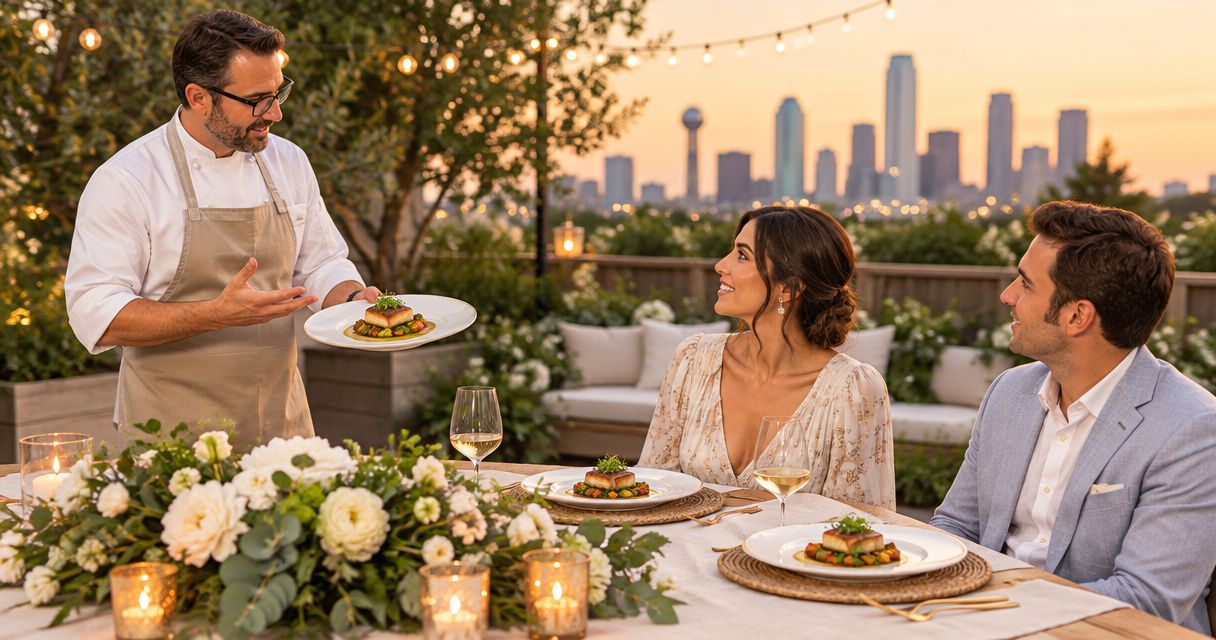
Best overall: a personalized plated dinner; best for bringing families together: family-style dining; best for a mingling-first party: a cocktail reception. For a Dallas engagement celebration, choose the menu format around how you want guests to spend the evening, then select the dishes.
- Best private chef menu Dallas engagement celebration: choose plated dining for an intimate, seated evening.
- Family-style dining suits introductions; cocktail receptions suit mingling; tasting menus put the food at the center.
- Gabbeys emphasizes personalized menus and attentive service for private chef celebrations.
- Confirm dietary needs, kitchen requirements, staffing, and the complete scope before accepting a personalized quote.
Why this matters
An engagement celebration brings people together who might not know each other yet. Your menu should make those introductions comfortable, give the couple room to enjoy their guests, and leave a clear moment for the toast.
For your 2026 Dallas or Fort Worth celebration, start with the occasion rather than a list of favorite dishes. A seated family introduction needs a different rhythm from an open-house party with friends arriving throughout the evening.
Gabbeys is best for private chef clients who prioritize personalized menus and attentive service. Begin your inquiry with Gabbeys by describing the gathering you want, not just the cuisine you enjoy.
What makes the best engagement celebration menu
Use these criteria before choosing a format. They distinguish a menu that sounds appealing from one that suits your actual gathering.
- Guest connection: Decide whether guests should mingle freely, share dishes, or settle into a seated conversation.
- Dietary fit: Identify allergies, restrictions, and preferences before narrowing the menu. Ask how each will be handled.
- Service rhythm: Match food service to arrivals, introductions, speeches, and the couple's preferred pace.
- Kitchen fit: Confirm preparation space, equipment, refrigeration, and access before approving dishes that depend on them.
- Personal meaning: Include a culinary reference that matters to the couple without making every course tell a story.
- Complete scope: Establish responsibilities for serving, rentals, clearing, and cleanup instead of assuming they accompany the food.
Choose the format first, personalize the menu second, and confirm the service details before booking. That sequence keeps a beautiful menu tied to a workable evening.
Engagement menu styles at a glance
These are planning formats to discuss with your chef, not confirmed Gabbeys packages or menu inclusions. Each earns its place through a different kind of celebration.
| Rank and menu style | Best for | Standout feature | Key limitation |
|---|---|---|---|
| 1. Personalized plated dinner | An intimate seated celebration | Defined courses and a shared dinner rhythm | Less freedom to circulate during dinner |
| 2. Family-style dinner | Introducing families | Shared dishes encourage interaction | Serving platters need table space |
| 3. Cocktail reception menu | A mingling-first engagement party | Food supports movement and conversation | Substantial food needs deliberate planning |
| 4. Tasting menu | A food-focused couple | A sequence built around culinary discovery | Requires sustained attention to the meal |
| 5. Celebratory brunch | A daytime gathering | A menu shaped around a daytime schedule | Does not create a formal evening atmosphere |
1. Personalized plated dinner: best for an intimate evening
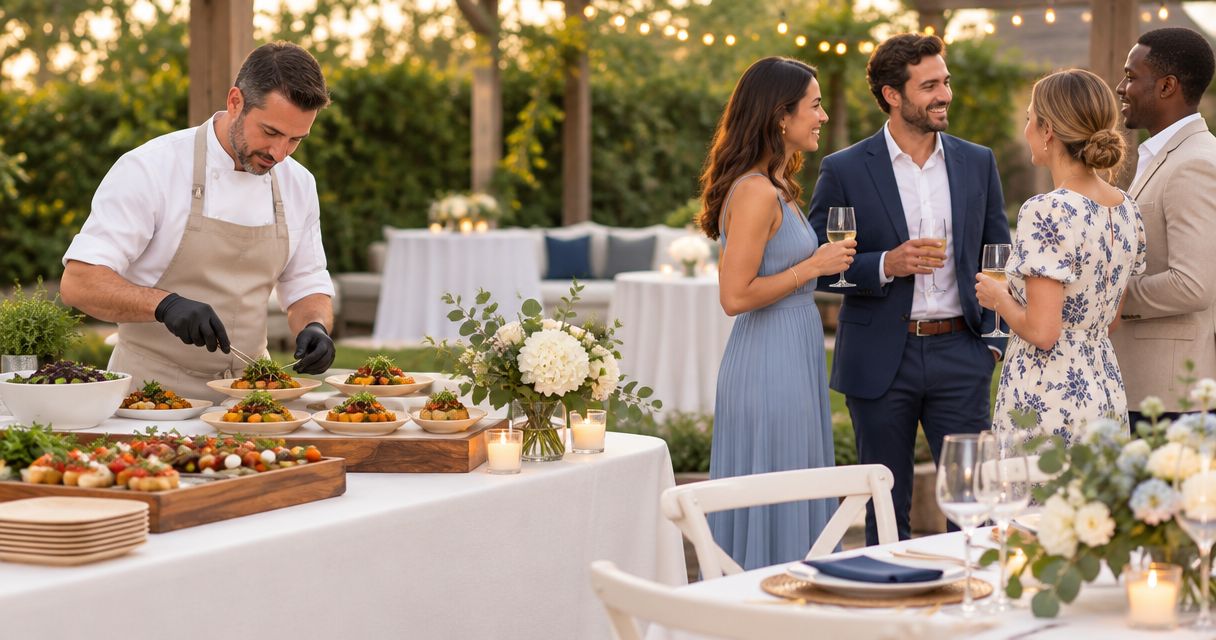
A plated dinner gives guests a defined place at the table and serves the meal in courses. It is the strongest default when your engagement celebration centers on conversation, a toast, and time together rather than constant movement.
For a straightforward starting brief, consider 3 courses: a starter, a main, and dessert. This is a planning suggestion, not a required structure or a service inclusion. Ask your chef to shape the progression around your preferences and dietary needs.
Plated dinner pros:
- Creates a clear transition from arrivals to dinner.
- Gives a toast a natural place in the evening.
- Makes the menu feel cohesive from beginning to end.
Plated dinner cons:
- Keeps guests seated during the meal.
- Requires coordination between courses and speeches.
Best for: Couples who want a private dinner with the engagement as the focus.
For your 2026 celebration, identify the toast moment before finalizing course timing. Ask how service will pause so the speech does not compete with plates arriving.
Verdict: Buy for an intimate, seated engagement celebration.
2. Family-style dinner: best for introducing families
Family-style dining places shared dishes on the table for guests to serve themselves. The food becomes part of the conversation, making this format a useful choice when introductions matter more than a formal presentation.
If you are bringing 2 families together, think about seating and passing dishes as carefully as the menu. Ask for a plan that keeps shared platters accessible without crowding glasses, place settings, or flowers.
Family-style dinner pros:
- Gives guests a natural reason to interact.
- Lets guests choose among shared dishes.
- Supports a welcoming, communal atmosphere.
Family-style dinner cons:
- Requires room for serving dishes on the table.
- Shared utensils require careful discussion when allergies are involved.
Best for: A first family gathering where you want warmth without a rigid dinner rhythm.
Choose dishes that work together across the table. Avoid treating family-style service as permission to assemble unrelated favorites; guests should still experience a coherent meal.
Verdict: Buy for family introductions and a shared-table celebration.
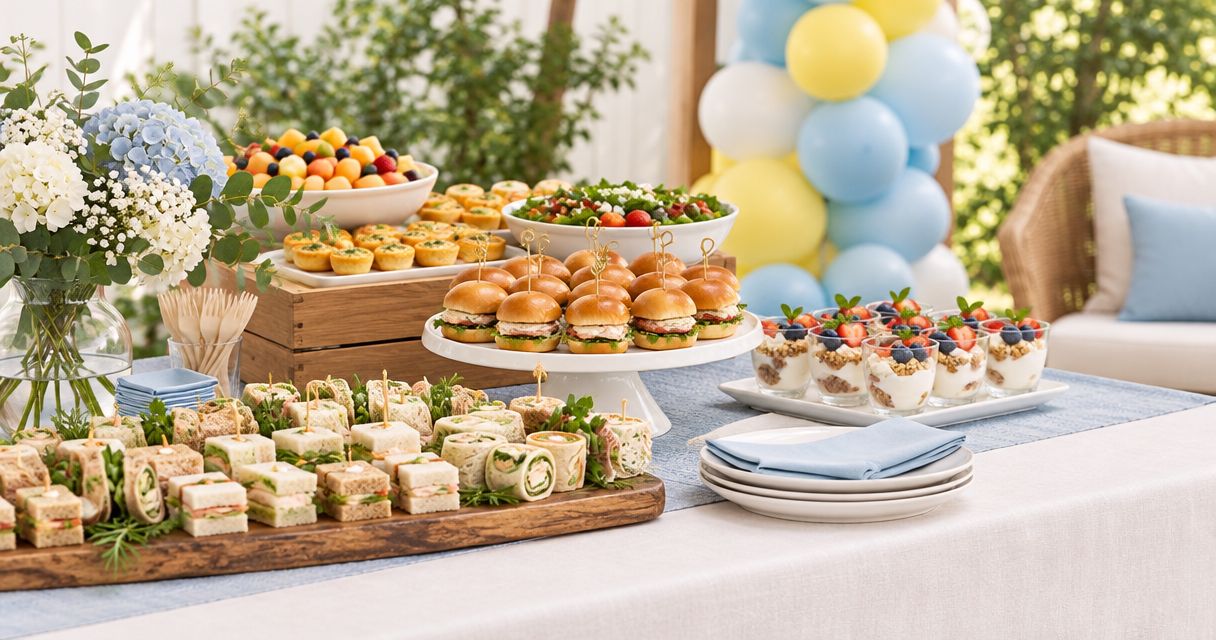
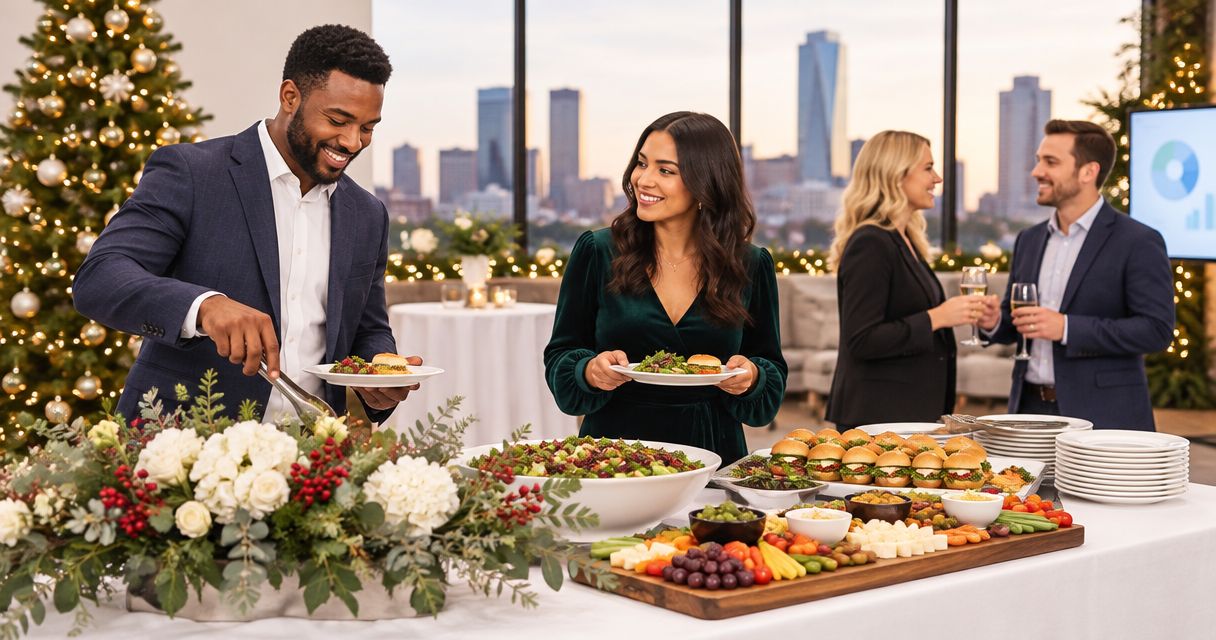
3. Cocktail reception menu: best for a mingling-first party
A cocktail reception menu supports a gathering where guests stand, circulate, and speak with different groups. Choose it when the engagement party is primarily a social celebration rather than a seated dinner.
Decide whether the food replaces a meal before discussing individual bites. Guests need a clear expectation, and the chef needs a clear brief on substance, service flow, and how food will reach everyone.
Cocktail reception menu pros:
- Gives guests freedom to move between conversations.
- Suits a party without assigned dinner seating.
- Lets food service follow the gathering's social flow.
Cocktail reception menu cons:
- Makes it harder to gather everyone's attention for speeches.
- Requires deliberate planning for dietary alternatives and substantial food.
Best for: A friends-and-family party centered on mingling.
Protect 1 dedicated toast moment in the schedule. Agree on a pause in food service, and tell whoever is speaking when guests will be invited to gather.
Verdict: Buy for a social engagement party, not a seated dinner substitute without planning.
4. Tasting menu: best for a food-focused couple
A tasting menu presents a sequence of smaller courses with a deliberate progression. Choose it when discovering dishes together is part of the celebration itself, not simply the backdrop.
Share meaningful flavors, favorite ingredients, and firm dislikes with the chef. Ask how the sequence will accommodate dietary needs without leaving any guest with an afterthought.
Tasting menu pros:
- Gives the celebration a clear culinary focus.
- Creates room to explore the couple's preferences.
- Makes the progression of the meal part of the experience.
Tasting menu cons:
- Requires guests to commit to the meal's pace.
- Interruptions and late arrivals complicate a coordinated sequence.
Best for: Couples whose ideal celebration centers on food and an unhurried table.
Do not choose a tasting menu solely because it sounds more luxurious. If your guests would rather circulate, a reception format is a better match than a meal that asks for their sustained attention.
Verdict: Buy for culinary discovery; skip for an open-house gathering.
5. Celebratory brunch: best for a daytime gathering
A brunch menu places the celebration earlier in the day and gives you an alternative to a formal evening dinner. It suits couples who want the engagement gathering to fit around daytime plans.
Choose the service format separately: brunch describes the meal, not whether guests receive plated dishes or share food. Confirm that distinction before comparing proposals.
Celebratory brunch pros:
- Gives the celebration a daytime identity.
- Leaves the evening separate from the engagement gathering.
- Allows you to build the menu around breakfast and lunch preferences.
Celebratory brunch cons:
- Does not deliver a formal evening-dinner atmosphere.
- Still requires decisions about seating, service, and cleanup.
Best for: Couples who prefer a daytime celebration over an evening party.
Tell your chef what should make brunch feel celebratory. A meaningful dish or a thoughtfully timed toast gives the meal a purpose beyond its place on the calendar.
Verdict: Buy for a daytime celebration with a clearly defined service plan.
How these menu styles are ranked
This 2026 ranking prioritizes guest connection, dietary fit, service rhythm, kitchen requirements, personalization, and a clear scope. Plated dining is the default because it directly supports a seated celebration with conversation and a toast.
The other formats win when your priorities change. Family-style dining favors introductions; receptions favor movement; tasting menus favor culinary focus; brunch favors a daytime schedule. This is a fit-based guide, not a claim that any format suits every home or guest list.
Build a booking brief before choosing dishes
For a 2026 inquiry, give your chef enough context to recommend a format rather than simply respond to a list of ingredients. Start with these details:
- Occasion: Engagement dinner, family introduction, or larger celebration.
- Location: Dallas or Fort Worth address and whether the gathering is at home or another venue.
- Guests: Expected attendance and any accessibility or seating considerations.
- Food needs: Allergies, restrictions, strong preferences, and ingredients to avoid.
- Atmosphere: Seated and intimate, communal, mingling-focused, or food-focused.
- Timing: Arrival pattern, desired meal rhythm, and the toast.
Next, review the space. Share the kitchen setup and discuss preparation, refrigeration, equipment, and serving access; the guide to kitchen equipment for a private chef dinner party helps frame that conversation.
Ask Gabbeys which proposed dishes and service arrangements fit your brief. Personalized menus and attentive service are the reasons to inquire; the written proposal should establish exactly what your celebration includes.
What affects your personalized quote?
Guest count, ingredient choices, menu complexity, preparation requirements, staffing, travel, rentals, and the agreed cleanup scope all belong in the quote discussion. Ask which apply to your event rather than assuming every proposal contains the same services.
Compare complete scopes, not menu descriptions alone. Confirm who supplies tableware, who serves, who clears, and what happens after the final course. A polished evening needs those responsibilities settled before guests arrive.
Plan your engagement celebration
Share your Dallas or Fort Worth location, guest count, dietary needs, and preferred menu style.
Which engagement menu should you choose?
Choose a personalized plated dinner if you are undecided. It gives an intimate celebration a clear shape while leaving room for dishes that reflect the couple.
Choose family-style dining when introductions are the priority. Choose a cocktail reception when guests should circulate, a tasting menu when the food is the main event, or brunch when a daytime gathering feels more natural.
Keep the decision simple: describe what you want guests to do, then choose the format that supports it. Cuisine comes next.
FAQ
What's the best private chef menu for a Dallas engagement celebration?
A personalized plated dinner is the best default for an intimate, seated Dallas engagement celebration. Choose family-style dining for introductions or a cocktail reception when mingling matters more than a shared dinner.
Is a plated dinner better than family-style for meeting the families?
Family-style dining is the stronger choice when interaction around shared dishes is the priority. Plated dining suits a more structured evening with defined courses and a planned toast.
What should I send when asking Gabbeys about an engagement dinner?
Send your Dallas or Fort Worth location, date, expected guest count, dietary needs, and preferred atmosphere. Explain whether you want a seated dinner, shared-table gathering, or mingling-focused party so the menu discussion starts with the right format.
How much does a private chef engagement celebration cost?
Request a personalized quote based on your guest count, menu, location, and service requirements. Ask the proposal to identify applicable staffing, travel, rentals, and cleanup responsibilities so you can compare the complete scope.
Can an engagement menu accommodate different dietary needs?
Make dietary accommodation a requirement of the menu discussion and confirm the proposed approach with the chef. Separate allergies from preferences, and ask about ingredients, shared utensils, and cross-contact procedures before approving the menu.
Should I choose a tasting menu or a cocktail reception?
Choose a tasting menu when guests want to focus on a coordinated meal; choose a cocktail reception when they want to circulate. The deciding factor is how you want people to spend their time, not which format sounds more formal.
When should I finalize my 2026 engagement celebration menu?
Finalize the menu after confirming the guest requirements, venue setup, service format, and agreed scope. Ask your chef for the decision deadlines that apply to your event rather than relying on a generic booking timetable.
One last thing
Your most memorable dish does not need to be the most elaborate. Give the chef a meaningful reference—a favorite ingredient, a shared travel memory, or a family food tradition—and explain why it matters.
For your 2026 engagement celebration, ask Gabbeys to begin with that personal detail and the atmosphere you want. A menu should feel like your celebration, not a performance you have to organize around.