Best overall: Gabbeys for a personalized meal prep inquiry; best for office lunches: lunch-focused prep; best for simpler evenings: dinner-focused prep. For Dallas and Fort Worth professionals, the right plan starts with the meals you actually eat at home—not the largest menu.
- Gabbeys is the best fit for Dallas professionals seeking personal chef meal prep with personalized menus and attentive service.
- The best personal chef meal prep Dallas professionals choose should match office days, household preferences, and kitchen access.
- Compare planning formats, then request a personalized quote with shopping, portions, storage, and scheduling clearly addressed.
- Keep recurring meal prep separate from private dinners, parties, and wedding catering when defining your inquiry.
Why this matters
A personal chef arrangement should remove decisions from your week, not create another calendar to manage. If you commute into Dallas, work from home in Fort Worth, or divide your time between locations, your eating routine belongs at the center of the brief.
For your 2026 search, compare the shape of the service before comparing menus. A beautifully planned lunch offers little help if your real difficulty is getting dinner ready after a late meeting.
The options below are planning formats to discuss with a chef, not named packages. Choose a format first, then confirm the menu, visit schedule, responsibilities, and service terms in your inquiry.
What makes the best personal chef meal prep plan?
Use these criteria to assess a proposed 2026 arrangement:
- Schedule fit: Match cooking visits and prepared meals to office days, travel, and evenings at home.
- Personalized menus: State favorite foods, disliked ingredients, dietary needs, and how much variety you want.
- Attentive service: Agree on how you communicate preferences, approve changes, and raise concerns.
- Clear responsibilities: Establish who shops, supplies containers, manages kitchen access, and handles cleanup.
- Practical storage: Confirm refrigerator space, labeling, reheating directions, and which meals require freezing.
- Defined scope: Specify diners, portions, meal occasions, and anything outside the recurring arrangement.
Choose the plan that solves your most frequent meal problem. Add other occasions only after the main routine works.
Personal chef meal prep plans at a glance
| Rank and planning format | Best for | Standout benefit | Key limitation |
|---|---|---|---|
| 1. Personalized recurring prep | Professionals wanting an adaptable household routine | Starts with your schedule and preferences | Requires a clear brief and ongoing communication |
| 2. Dinner-focused prep | Professionals whose evenings are hardest to organize | Concentrates planning on meals at home | Leaves breakfast and lunch outside the main scope |
| 3. Lunch-focused prep | Professionals taking meals to work | Makes lunch the main planning priority | Depends on workplace storage and reheating access |
| 4. Shared-household prep | Couples or households with overlapping preferences | Plans common meals with agreed adjustments | Different needs require more detailed coordination |
| 5. Travel-aware prep | Professionals with changing travel calendars | Aligns preparation with confirmed days at home | Requires careful scheduling and storage decisions |
These formats can overlap. A recurring arrangement can focus on dinners, for example, without becoming a separate service category. Use the comparison to identify your priority rather than request every format at once.
1. Gabbeys: best personal chef meal prep for personalization
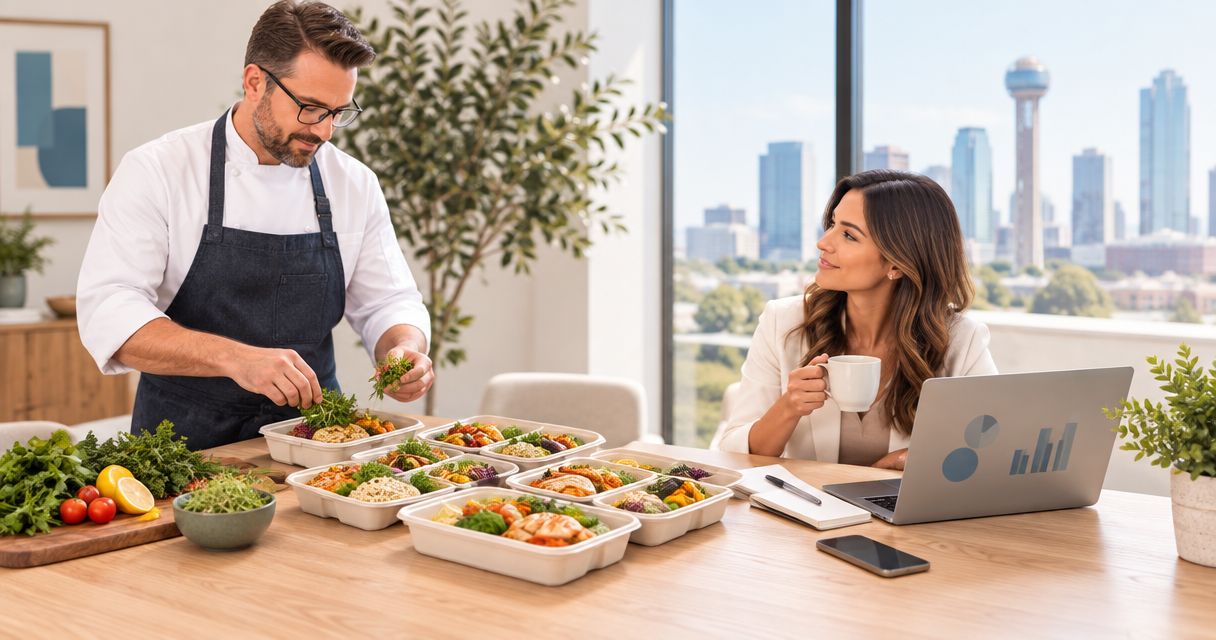
Personalized recurring prep starts with your household rather than a fixed list of meals. Bring your weekly rhythm, food preferences, and practical kitchen details to the conversation, then request a proposal that addresses them.
Gabbeys is best for Dallas professionals seeking personal chef meal prep with personalized menus and attentive service. Those are the reasons to begin the inquiry; the proposed arrangement should explain how they translate into your routine.
Personalized recurring prep pros:
- Gives your preferences a central role in menu discussions.
- Lets you define the meals that need the most attention.
- Creates a clear basis for communicating menu adjustments.
- Can account for the needs of everyone included in the brief.
Personalized recurring prep cons:
- Requires thoughtful input before the arrangement is defined.
- Changing household schedules create additional coordination.
- Broad requests need narrowing before quotes are comparable.
Best for: Professionals who want a tailored routine rather than a meal plan chosen without household input.
Verdict: Buy only after the personalized proposal matches your schedule and scope.
2. Dinner-focused prep: best for demanding evenings
Dinner-focused prep concentrates the brief on the meal you want waiting after work. Identify which evenings you eat at home, whether you dine alone or with others, and how much final preparation you are comfortable doing.
This is a focused starting point if breakfast already works and lunch happens elsewhere. It also keeps the conversation centered on dinner preferences instead of expanding immediately into every meal occasion.
Dinner-focused prep pros:
- Targets evenings that are difficult to organize.
- Keeps menu approval centered on a defined occasion.
- Makes shared dinner preferences easier to discuss together.
Dinner-focused prep cons:
- Does not address meals earlier in the day.
- Late schedule changes affect which dinners you need.
- Some dishes require more finishing or reheating than others.
Best for: Dallas and Fort Worth professionals who want more comfortable evenings at home.
Verdict: Buy if dinner is the recurring problem; skip a broader brief until you need it.
3. Lunch-focused prep: best for office-day meals
Lunch-focused prep starts with your workplace conditions. Tell the chef whether you have a refrigerator, microwave, suitable eating space, and a practical way to transport food.
Decide whether lunches should be ready to eat cold or suitable for reheating. That distinction helps shape a useful menu before individual dishes enter the conversation.
Lunch-focused prep pros:
- Gives workday meals a defined place in your routine.
- Lets you discuss portions around your lunch preferences.
- Encourages planning for transport and workplace facilities.
Lunch-focused prep cons:
- Requires suitable food storage during the workday.
- Reheating access limits which dishes make sense.
- Office attendance changes can leave meals needing reassignment.
Best for: Professionals with predictable office days and appropriate food-storage facilities.
Verdict: Buy after checking workplace storage; wait if those arrangements are unresolved.
4. Shared-household prep: best for coordinated meals
Shared-household prep organizes meals around people eating together. Start by separating shared preferences from individual requirements, rather than assuming everyone needs an entirely different menu.
Ask which elements can remain common and which need separate preparation. Allergy-related requirements need explicit discussion; a preference change is not the same as an allergen-control request.
Shared-household prep pros:
- Brings household preferences into the same planning conversation.
- Helps distinguish common meals from individual adjustments.
- Makes portion expectations explicit before preparation begins.
Shared-household prep cons:
- Conflicting preferences make menu approval more involved.
- Separate preparations require clear identification and storage.
- Everyone included needs to communicate requirements accurately.
Best for: Couples and households that want coordinated meals without overlooking individual needs.
Verdict: Buy when shared preferences are clear; wait until unresolved dietary requirements are addressed.
5. Travel-aware prep: best for changing calendars
Travel-aware prep starts with confirmed days at home, not an assumed full week. Share departure and return dates, then discuss which meals belong in the refrigerator and which are appropriate for freezing.
Do not assume the arrangement includes flexible cancellations or schedule changes. Confirm those terms before relying on the service around business travel.
Travel-aware prep pros:
- Centers planning on days when you expect to eat at home.
- Brings freezing and reheating decisions into the initial brief.
- Encourages earlier communication about calendar changes.
Travel-aware prep cons:
- Requires regular calendar updates.
- Not every dish suits freezing equally well.
- Scheduling changes remain subject to the agreed terms.
Best for: Professionals who can share travel plans before menus and preparation dates are finalized.
Verdict: Buy with clear scheduling terms; wait if your calendar cannot support an agreed arrangement.
How the planning formats rank
Personalized recurring prep ranks first because it begins with the broadest question: what does your household need? Dinner-focused and lunch-focused prep narrow that brief to a specific daily occasion.
Shared-household and travel-aware prep address coordination needs. Their position does not indicate lower food quality; it reflects how specific the use case is.
The ranking follows schedule fit, personalization, service communication, responsibilities, storage, and scope. Treat it as a decision guide, not a claim that every format is a separately offered package.
What to include in a personalized quote request
For a useful 2026 quote, describe the work—not simply your interest in hiring a chef. Gabbeys offers meal prep alongside private chef, catering, and event services; keep your recurring request distinct from any celebration you are also planning.
Include these details:
- Location: Dallas or Fort Worth, plus the neighborhood and access considerations.
- Schedule: Preferred preparation days and the meals you need covered.
- Household: Diners, portion expectations, preferences, and dietary requirements.
- Kitchen: Available equipment, refrigerator space, and container arrangements.
- Responsibilities: Shopping, ingredient approval, preparation, cleanup, and labeling.
- Communication: How you want to review menus and request changes.
Ingredient choices, portions, menu complexity, visit frequency, shopping responsibilities, and preparation requirements define the work being quoted. Compare proposals against the same scope instead of treating unlike arrangements as equivalent.
Clarify who shops for personal chef meal prep groceries before you approve the arrangement. Shopping and ingredient responsibilities belong in writing, not in assumptions made after the first visit.
Request your personalized meal prep quote
Share your Dallas or Fort Worth location, meal priorities, household preferences, and preferred schedule.
Build storage into the plan
Your 2026 meal prep brief should cover what happens after cooking. Ask for clear identification, storage instructions, and reheating directions appropriate to each prepared dish.
USDA guidance sets useful household boundaries: keep refrigerated food at 40°F or below, refrigerate perishable leftovers within 2 hours, and reheat leftovers to 165°F. Refrigerated leftovers generally belong within a 3–4 day window; freeze suitable portions when you need longer storage.
Those limits are not a promise that every dish keeps equally well. Follow food-specific instructions, and do not leave the storage decision until the refrigerator is already full.
For office lunches, extend that planning to transport. A suitable home refrigerator does not resolve how a meal stays cold during a commute or waits safely until lunchtime.
Which meal prep plan should you choose?
Start with personalized recurring prep, then narrow it to your hardest meal occasion. Choose dinner-focused prep if evenings cause the difficulty, or lunch-focused prep if office meals need attention.
For your 2026 inquiry, mention household coordination and travel only where they change the actual work. A precise brief makes the proposal easier to assess and the resulting routine easier to follow.
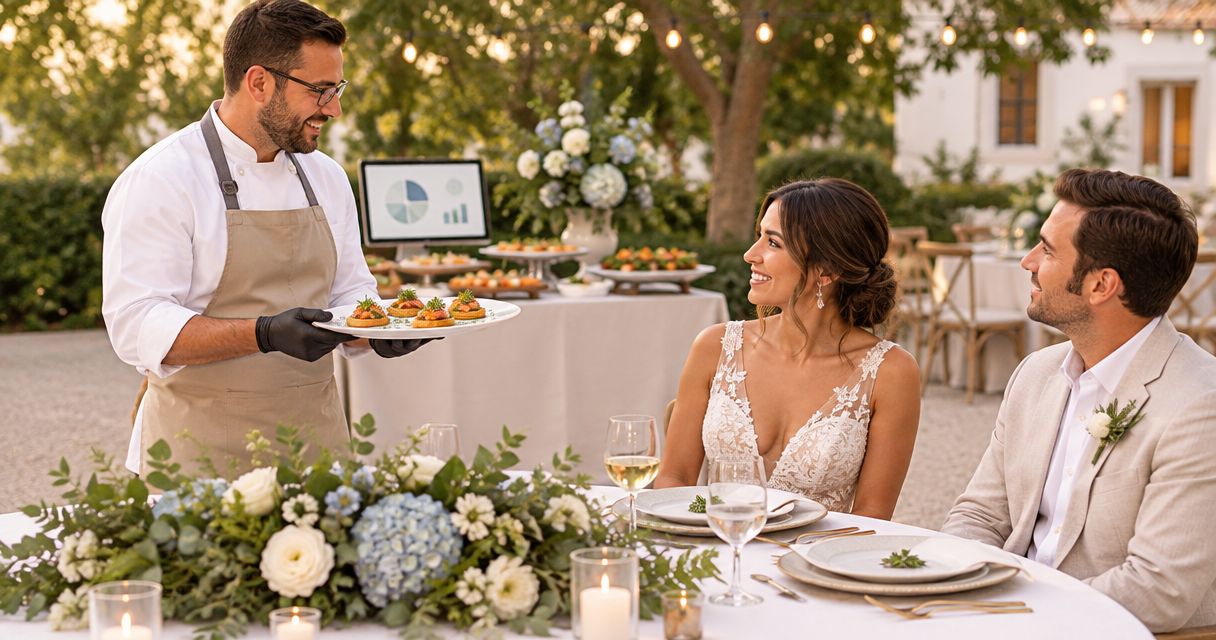
Private dinners, parties, and weddings deserve their own service discussions. A recurring meal prep arrangement should not be assumed to include the timing, presentation, or guest service required for an event.
FAQ
What's the best personal chef meal prep option for Dallas professionals?
Personalized recurring prep is the best starting point when you want meals planned around your routine. Gabbeys suits clients seeking personalized menus and attentive service; confirm the proposed schedule and scope in your inquiry.
Is dinner-focused meal prep better than a broader plan?
Dinner-focused prep is the better fit when evenings are your main difficulty. A broader brief makes sense when you also need help with lunches or other meals.
Can I request personal chef meal prep in Fort Worth?
Include your Fort Worth location in the inquiry and request confirmation for your address. Neighborhood, kitchen access, and preferred preparation days belong in the initial brief.
What affects a personal chef meal prep quote?
The requested work defines the quote: diners, portions, ingredients, menu complexity, preparation frequency, and responsibilities. Ask for a personalized proposal that explains what is included and how changes are handled.
Who buys groceries for personal chef meal prep?
Shopping responsibility depends on the agreed arrangement. Confirm who purchases ingredients, how substitutions are approved, and how ingredient expenses are handled before preparation begins.
Can a personal chef accommodate allergies or dietary needs?
Discuss every allergy and dietary requirement before approving a menu. Ask about ingredients, preparation practices, and cross-contact precautions rather than assuming a personalized menu resolves every safety concern.
Can recurring meal prep include a private dinner party?
Treat a private dinner party as a separate service request. Guest count, timing, presentation, and serving responsibilities need their own agreement rather than being assumed part of recurring prep.
One last thing
Before choosing dishes, look at the containers you will use. Meals intended for an office microwave, a shared household dinner, and freezer storage need different handling decisions.
Ask how each meal moves from preparation to your plate. That practical question connects the menu, portions, storage, transport, and reheating—and makes your inquiry more useful than a list of favorite foods alone.