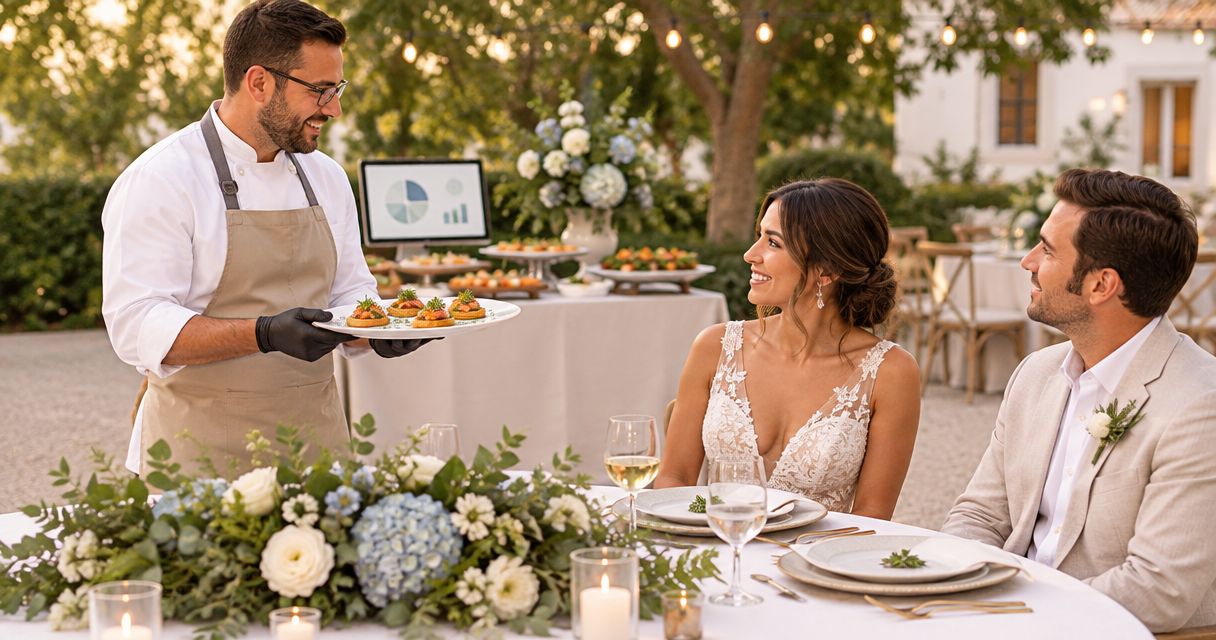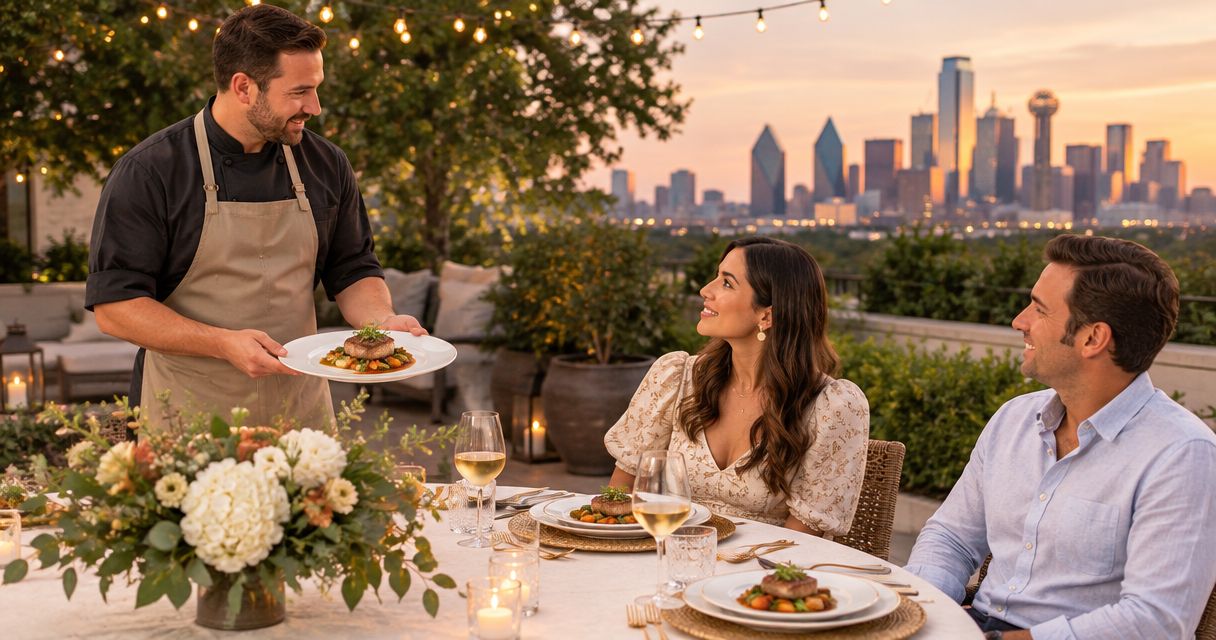
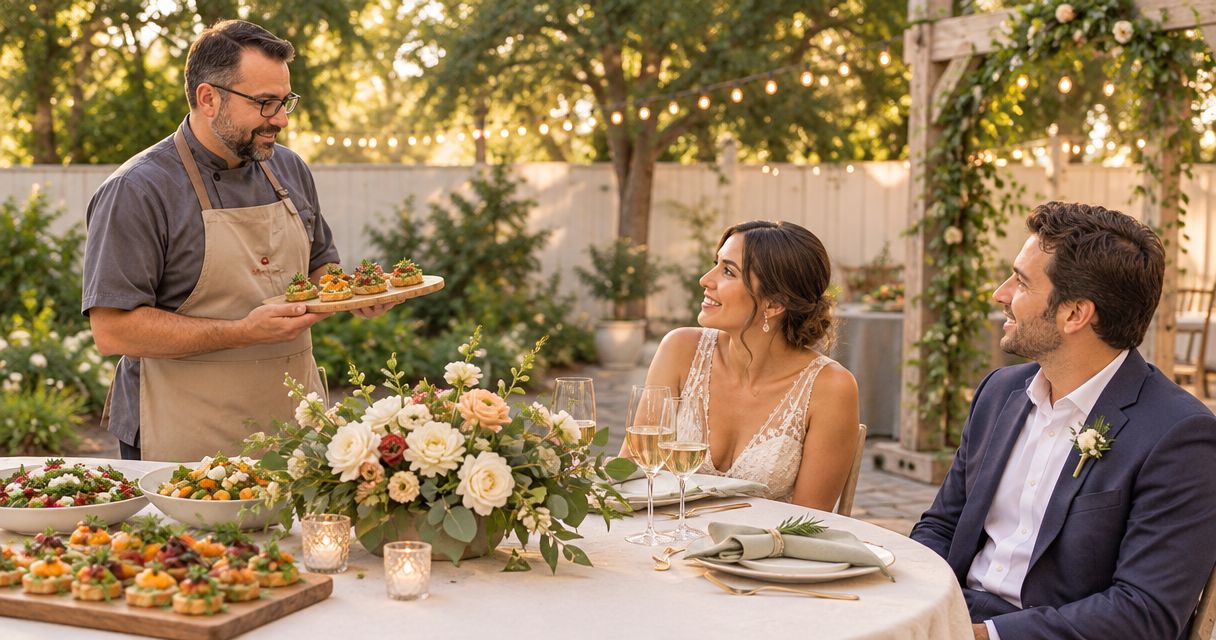
Best overall: fall. Best for a garden-centered celebration: spring. Best for an indoor dinner-party wedding: winter. Best for couples committed to a summer date: summer, with indoor dining. This guide compares the four seasons for small wedding catering in Dallas–Fort Worth, with guest comfort, personalized menus, and attentive service at the center.
- For the best season for small wedding catering Dallas Fort Worth couples can plan around, start with fall.
- Spring suits garden-centered weddings, but the catering plan needs an indoor alternative.
- Winter suits intimate indoor dinners; summer calls for air-conditioned dining and careful food handling.
- Gabbeys is best for couples seeking small wedding catering with personalized menus and attentive service.
Why the season matters for a small wedding
Choose the season around the dining experience you want, not the photographs alone. An outdoor ceremony does not require an outdoor reception. Separating those decisions gives you more control over comfort and service.
For a 2026 wedding in Dallas or Fort Worth, decide where guests will eat before settling on a menu. A backyard, private home, or event venue presents different questions about kitchen access, refrigeration, serving space, and weather protection.
Gabbeys provides wedding catering and private chef services, with personalized menus and attentive service as reasons to choose the brand. Begin your inquiry with the location, guest count, and setting so the conversation focuses on your celebration.
What makes the best season for small wedding catering?
The best season supports your preferred setting without making dinner depend on the weather. Use these criteria to compare dates:
- Guest comfort: Can everyone dine comfortably, including older relatives and guests who need accessible seating?
- Weather independence: Is there a workable indoor alternative for both the meal and the catering team?
- Menu fit: Does the food suit the setting, service style, and time between preparation and serving?
- Service flow: Can staff move between the kitchen, tables, and clearing area without crossing the ceremony space?
- Complete scope: Have you accounted for equipment, rentals, staffing, and any weather-related setup?
For 2026 planning, treat these as decision criteria rather than promises about a particular date. A season is a starting point; your venue and service plan determine whether the meal works.
Dallas–Fort Worth wedding seasons at a glance
| Rank and season | Best for | Standout advantage | Key limitation |
|---|---|---|---|
| 1. Fall | Couples wanting an outdoor element with indoor dining as a fallback | Supports a flexible indoor–outdoor celebration | Warm conditions and changing weather still require a backup |
| 2. Spring | Garden-centered ceremonies and receptions | Lets the outdoor setting shape the celebration | Rain and thunderstorms require a clear relocation plan |
| 3. Winter | Intimate indoor dinner-party weddings | Keeps the meal centered on a defined indoor setting | Cold weather and winter disruptions still affect access |
| 4. Summer | Couples whose preferred date takes priority over outdoor dining | Works with an intentionally indoor reception | Heat complicates outdoor comfort and food holding |
This ranking prioritizes flexibility and the guest experience. It does not rank seasons by catering cost: a calendar label alone does not establish the total scope of your wedding.
1. Fall: best season for a flexible small wedding
Fall is the default recommendation when you want some outdoor time without making the entire reception an outdoor event. Plan the ceremony or welcome drinks outside, then give dinner a dependable indoor home. In Dallas–Fort Worth, fall does not remove the need to prepare for warm conditions or changing weather.
For your 2026 celebration, choose the dining location before deciding how much of the evening happens outdoors. A covered patio is not the same as an enclosed dining room; wind and rain still affect an exposed serving area.
Fall pros:
- Supports a celebration that combines outdoor moments with indoor dining.
- Gives you room to choose either a relaxed gathering or a formal seated meal.
- Lets the reception retain its purpose if the outdoor portion changes.
Fall cons:
- A fall date does not guarantee cool conditions.
- Moving dinner indoors still requires a complete seating and service layout.
Best for: Couples who value an outdoor setting but want dinner to remain dependable.
Ask your caterer to discuss menu choices in relation to the serving location. Food traveling from an indoor kitchen to a distant garden table needs a different service plan from dinner beside the kitchen.
Verdict: Buy into fall as your default, with an indoor dining plan included from the beginning.
2. Spring: best season for a garden-centered wedding
Spring belongs near the top when the garden is part of the reason you chose your venue. Build the catering plan around that setting, but give rain and thunderstorms a specific response. An intimate guest list does not make an improvised move indoors effortless.
For a spring 2026 wedding, decide who authorizes a weather-related change and when that decision reaches the catering team. Keep the ceremony, dining, and food-service decisions connected rather than asking each supplier to make a separate call.
Spring pros:
- Suits couples who want a garden-centered ceremony or reception.
- Supports an outdoor welcome followed by a sheltered meal.
- Gives the setting a clear role in the celebration without dictating a particular menu.
Spring cons:
- Rain and thunderstorms require more than a covered food table.
- A wet lawn changes guest access and staff movement.
Best for: Couples who prioritize the garden and accept a fully planned indoor alternative.
For an at-home reception, review the practical questions in small wedding catering for a backyard celebration. Confirm where guests sit, where food is finished, and how staff reach both locations if the lawn is unusable.
Verdict: Buy into spring for the garden experience; skip an outdoor-only catering plan.
3. Winter: best season for an intimate indoor dinner
Winter suits a small wedding designed around the table rather than the grounds. A private home or indoor venue can give the ceremony and meal a shared setting, with the menu and service carrying the occasion. The essential decision is whether the space supports dining comfortably alongside food preparation.
For winter 2026 planning, separate indoor comfort from access. An enclosed reception protects the meal from outdoor conditions, but guests and catering staff still need to reach the property and unload safely.
Winter pros:
- Gives an indoor dinner-party wedding a clear setting.
- Removes the need to make outdoor dining central to the experience.
- Keeps attention on conversation, the menu, and the pace of service.
Winter cons:
- Cold weather can affect arrivals, deliveries, and access.
- Home kitchens and dining rooms still need a practical capacity check.
Best for: Couples who prefer a seated indoor celebration with little dependence on outdoor space.
Gabbeys small wedding catering is best for couples who want personalized menus and attentive service. For an indoor dinner, explain how formal you want the evening to feel and whether speeches should happen between courses or after the meal. Ask what staffing and equipment the proposed format requires.
Verdict: Buy into winter when the dinner itself is the centerpiece.
4. Summer: best season when your chosen date comes first
Summer works when the date matters more than an outdoor reception. Make air-conditioned dining the foundation, then assess whether any outdoor portion belongs in the schedule. Do not ask shade alone to solve guest comfort or food holding.
For summer 2026, distinguish the guest dining area from the catering work area. Both need consideration. A comfortable dining room does not resolve a long outdoor unloading route or an exposed buffet location.
Summer pros:
- Lets you keep a meaningful summer date without requiring outdoor dining.
- Suits a reception intentionally designed around an indoor space.
- Encourages a clear separation between outdoor photographs and the meal.
Summer cons:
- Heat makes an outdoor reception more demanding.
- Perishable food needs particular attention during transport, setup, and service.
Best for: Couples committed to a summer date who are comfortable prioritizing an indoor reception.
Ask how chilled food stays cold and hot food stays hot through service. The answer should describe the equipment and handling approach, not simply promise that everything will be served quickly.
Verdict: Hold on summer until indoor dining and temperature-controlled food service are settled.
How the seasons are ranked
Fall ranks first for a flexible indoor–outdoor plan. Spring follows for couples whose priority is the garden. Winter takes the indoor dinner-party slot, while summer fits a date-first decision with indoor dining.
These are planning recommendations, not measured scores or a forecast. The criteria are guest comfort, weather independence, menu fit, service flow, and complete scope. A well-suited indoor venue changes the decision more than a seasonal label.
Make the weather backup a complete dinner plan
A backup is complete only when guests can eat and staff can serve in the alternative space. Work through these steps before approving the reception layout:
- Dining location: Identify the primary dining area and the alternative. Check seating, accessibility, and room for service.
- Kitchen access: Confirm where food preparation, finishing, refrigeration, and washing can happen.
- Service route: Trace the path from kitchen to table without blocking entrances or moving through the ceremony.
- Decision point: Agree who communicates a change and what must move before guests arrive.
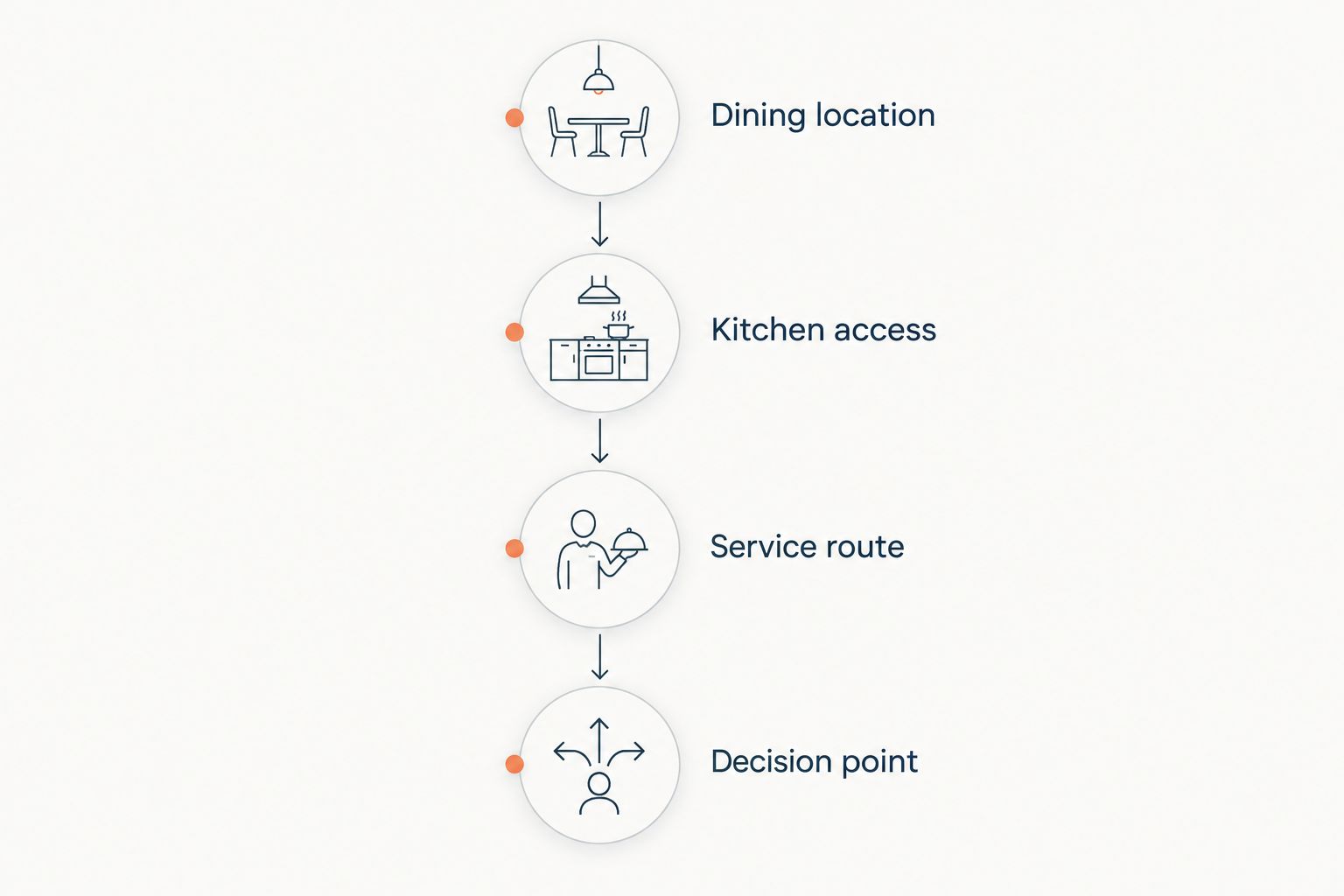
Walk through both layouts with the same attention. Moving tables is only part of the task; the alternative also needs a workable place for food, staff, and used tableware.
Keep food safety separate from guest comfort
USDA consumer food-safety guidance says to keep cold food at 40°F or below and hot food at 140°F or above. Perishable food should not remain at room temperature for more than 2 hours, reduced to 1 hour when the temperature is above 90°F.
Those are food-handling limits, not suggested reception lengths. Ask your caterer how equipment and service timing maintain safe conditions throughout the meal. A shaded table or pleasant breeze does not establish that food is being held safely.
Compare the complete catering scope
Do not choose a season on the assumption that it automatically lowers catering costs. Ask for a personalized quote tied to the actual date, venue, menu, guest count, and service format.
Compare proposals using the same requirements:
- Menu preparation and dietary requests.
- Service staff and the expected service period.
- Kitchen equipment and temperature-controlled holding.
- Tableware, linens, furniture, and responsibility for rentals.
- Setup, clearing, travel, and weather-related changes.
Use how to compare complete wedding catering quotes to keep those conversations consistent. A proposal for food alone is not equivalent to one covering additional service responsibilities.
For a Gabbeys inquiry, share your preferred season, exact location, guest count, indoor alternative, and any dietary needs. Describe the experience you want: a dinner-party wedding, a garden celebration, or a reception with an outdoor ceremony and indoor meal.
Plan Your Small Wedding Menu
Share your date, location, guest count, and dining plans to begin a personalized catering inquiry.
Which season should you choose?
Choose fall if you are undecided and want an indoor–outdoor celebration. Choose spring when the garden leads the decision, winter when an intimate indoor dinner is the goal, and summer when your date comes first.
For any season, approve the dining space before refining the menu. That order keeps the celebration personal without asking the food or service team to compensate for an unsuitable layout.
FAQ
What's the best season for small wedding catering in Dallas–Fort Worth?
Fall is the default recommendation for couples who want an outdoor element with indoor dining as a fallback. Spring suits garden-centered celebrations, while winter suits an intentionally indoor dinner.
Is spring better than fall for a backyard wedding?
Spring is the better fit when the garden is your main priority; fall is the default for a flexible indoor–outdoor plan. Neither season removes the need for a complete weather alternative.
Can I have a small outdoor wedding reception in summer?
Plan summer dining indoors rather than making the meal depend on outdoor comfort. If you include an outdoor portion, discuss guest comfort, food holding, and service routes with your venue and caterer.
Is winter a good choice for a small wedding at home?
Winter suits a small wedding built around an indoor dinner. Confirm that the home supports seating, kitchen work, staff movement, and safe access in cold weather.
Does the season determine wedding catering cost?
The season alone does not establish the complete catering scope. Request a personalized quote based on your date, location, menu, guest count, staffing, and equipment needs.
How long can wedding food stay out in warm weather?
USDA consumer guidance limits perishable food at room temperature to 2 hours, or 1 hour above 90°F. Ask your caterer how food will remain safely hot or cold throughout service.
What should I send with a small wedding catering inquiry?
Send your date or preferred season, exact location, guest count, dining setting, and dietary needs. Gabbeys couples should also describe their preferred menu direction and service experience so the inquiry reflects the celebration they want.
One last thing
Your ceremony season and your dining setting do not have to make the same statement. You can choose a garden ceremony and still give guests an indoor dinner. That single decision preserves the outdoor moment without making the whole reception depend on it.